


What You Need to Know About HIV and AIDS
THE BASICS
You need to know

HIV (Human Immunodeficiency Virus) is a virus transmitted through unprotected penetrative sexual contact (without a condom) via the mouth, vagina, or anus. It can also be transmitted through punctures involving infected blood (such as tattoos, piercings, or among people who inject drugs by sharing unsterilized needles), or via mother-to-child transmission during pregnancy, childbirth, or breastfeeding.
AIDS (Acquired Immunodeficiency Syndrome) is the advanced stage of HIV infection. It develops several years after a person contracts the virus (as HIV is a lentivirus). During this stage, the body’s immune system (defenses) becomes severely weakened, and the virus’s viral load multiplies. This stage opens the door to multiple opportunistic infections, including pneumonia, tuberculosis, and toxoplasmosis, among many others.
A person living with HIV can look and feel healthy for many years before symptoms of the disease begin to appear because, as mentioned earlier, HIV is a lentivirus. Consequently, beyond the trust and love we have for our partner, it is crucial to talk with them about our sexual health.
A condom should always be used during any sexual activity, and even more so in casual relationships.
You should carefully consider and weigh the potential benefits or negative impacts that a positive HIV test result could have on your life.


How can you pass HIV to
your baby, as a mother?


During pregnancy through the placenta: This occurs when the mother has not received timely prenatal care and, therefore, is not taking antiretroviral medications for HIV during pregnancy.

During childbirth: When the baby comes into contact with the mother’s blood and other bodily fluids. This is a high-risk window.

Through breast milk.

What is the likelihood of transmitting HIV to your baby?
If a mother is not tested for HIV during early prenatal care and does not receive Antiretroviral Therapy (ART) during pregnancy, the chances of mother-to-child transmission during pregnancy, childbirth, or breastfeeding are high, ranging from 15% to 45% of cases.
With treatment (ART): If the mother takes antiretroviral medications and achieves an undetectable viral load (<50 copies/mL) close to delivery, the risk drops to less than 1%.
Breastfeeding: It poses an additional 5% to 20% risk, which is even higher with prolonged breastfeeding.
Prevention: Early diagnosis, lifelong ART for the mother, and formula feeding for the baby (powdered milk) are critical to eliminating the risks associated with breast milk.

Immediate treatment for a pregnant mother is the most effective measure to ensure the baby’s health.


How serious are the risks of your baby contracting HIV?
If a baby is born with the virus and does not receive timely medical care, they will be at high risk for severe illness and even death.
Regular medical checkups for every infant are vital. If a baby becomes ill and presents infections such as oral thrush (candida), diarrhea, pneumonia, neurological issues, or developmental delays, immediate action is required, as it could be a case of pediatric HIV.
If the baby’s diagnosis is positive, further testing is required to initiate antiretroviral therapy as soon as possible, according to the treating physician’s prescription.
How long does it take to know if your baby has HIV?

A baby born to a mother living with the virus can be born healthy and free of infection.
However, if the mother attends all prenatal checkups with her treating physician, takes antiretroviral medications during pregnancy, reaches delivery with an undetectable viral load (fewer than 20 copies), follows all established protocols (before, during, and after birth), and avoids breastfeeding, 99% of these newborns will be healthy and virus-free.
If the mother reaches childbirth with a viral load greater than 1,000 copies, delivery must be performed via cesarean section (C-section).
To determine whether the baby has contracted the virus, it is recommended to perform a first viral load test at one month of age and a second one at 6 months to confirm or rule out the diagnosis. If both tests are negative, there is a very high probability that the baby is healthy.

How is it NOT transmitted?
The virus is NOT transmitted through everyday contact with a person living with HIV (such as hugging, kissing, sharing dishes or kitchen utensils, using the same shower or toilet, or through sweat, tears, and saliva) or through mosquito bites.
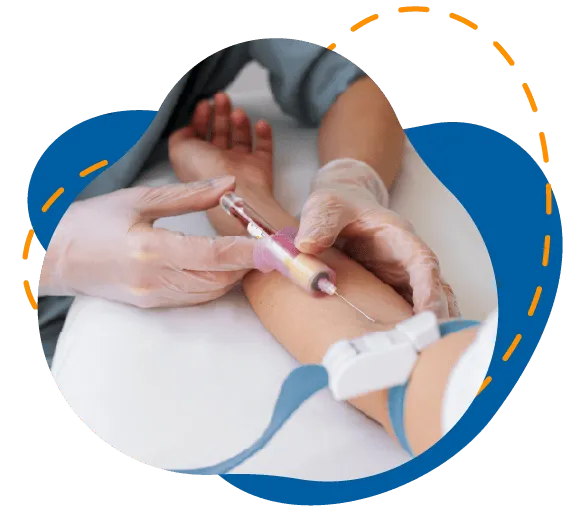
If you want to know your status, you can request counseling from a healthcare professional and take a voluntary, confidential, and free HIV test through your healthcare provider.