Attention Model
Project Mothers
Transmitting Life,
Not HIV
We Are All In This Together. The purpose of this initiative is to reduce the number of children contracting the virus through mother-tochild transmission. This situation can occur during pregnancy, childbirth, and breastfeeding when the expectant mother does not receive adequate care according to the protocols established by the Ministry of Health.


This strategy is directed at three specific populations:

1. Young women or mothers living with HIV, their partners, and their extended families.

2. Healthcare and social science professionals.

3. High school students in 9th and 10th grade.
Women and their families receive training on:

Understanding HIV, the AIDS stage, and how to prevent transmission.
Identifying the risk factors for mother-to-child transmission.
Recognizing Children's Rights, as well as women's sexual and reproductive rights.
For professionals: We hold awareness-building discussions regarding the rights of mothers and their children.
For youth: We host interactive talks titled “How Sexual Awakening in Adolescence Can Impact My Life Plan.” This activity aims to raise awareness among young people to reduce the rates of Sexually Transmitted Infections (STIs), with a strong emphasis on HIV prevention.
What You Should Know About HIV During Pregnancy and the Steps to Consider
– Take an HIV test as soon as the expectant mother attends her first prenatal care visit.
– Begin antiretroviral therapy (ART) as soon as possible if the test result is positive.
– Conduct Viral Load and CD4/CD8 tests to assess the immune system, determining the number of viral copies in the body and the strength of the body’s defenses.
– Achieve an undetectable viral load (fewer than 20 copies) by the time of childbirth, which is the ideal outcome.
– Administer intravenous antiretroviral medication to the mother 3 hours prior to delivery, as established by medical protocols.
– Schedule a cesarean section (C-section) if the expectant mother has not received adequate care during pregnancy and reaches childbirth with a high viral load.
– Administer antiretroviral medication to the newborn within 24 hours of birth, continuing for the period prescribed by the treating physician (typically between 20 and 42 days).
– Avoid breastfeeding. The baby must be fed with formula (powdered milk), which is provided free of charge by the healthcare provider (IPS).

Health and Nutrition
We ensure that minors are enrolled in the Mandatory Health Plan (POS) provided by the Colombian State. This guarantees monthly checkups with a pediatric infectious disease specialist, the provision of antiretroviral medications, and specialized laboratory tests (such as viral load tests to measure the number of viral copies in the body, and CD4/CD8 tests to evaluate each beneficiary’s immune system). It also covers consultations with specialists in various fields, including otolaryngology, physiatry, neurology, speech-language pathology, and physical and speech therapies.

We conduct regular follow-ups to ensure continuity in the treatments prescribed by each specialist.
We provide regular food assistance and grocery packages to families to support the proper nutrition of the children and their primary household. This nutritional support is crucial for ensuring the body properly absorbs and responds to antiretroviral medications. We also monitor the children’s height and weight to ensure healthy growth according to their age.
Our Guarantee:
We ensure the inclusion of minors in the Mandatory Health Plan (POS), providing comprehensive care and balanced nutrition to improve their quality of life.

Emotional Support
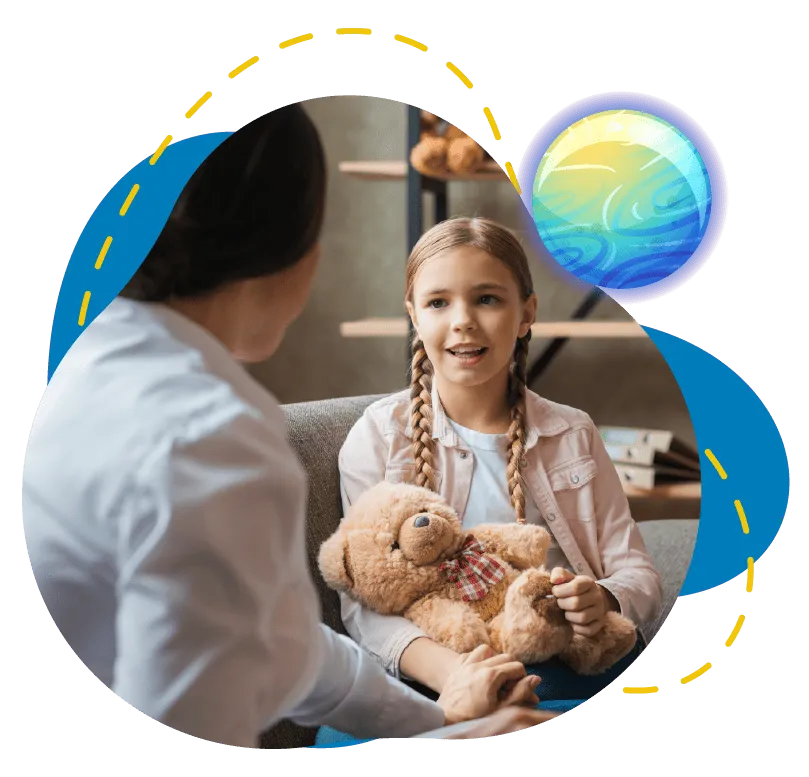
We provide ongoing, personalized accompaniment, counseling, and follow-up to every family unit. This helps strengthen their capabilities while instilling values, principles, solidarity, and commitment that can be reflected in their communities.
We promote gender identity, self determination, selfcare, and respect for others, facilitating the comprehensive development of the minors in our care.


Education
We encourage families to enroll their children in mainstream educational institutions, ensuring that every child’s right to education is fulfilled.
We contribute basic school supplies for each academic year and promote educational field trips.
Additionally, we provide support and monitor the academic performance of each child.

Social Work
We support the family unit from the moment the child enters our program.
We educate, advise, and provide support to ensure their rights are not violated. This helps reduce the stigma and discrimination associated with HIV, which they often face from the community and even their extended families.
We support and guide families through the legal processes required to secure their rights to healthcare and education (such as filing Legal Petitions and Guardianship Actions / Tutelas).
We provide continuous follow-up to empower families, enabling them to foster the physical and emotional health of their children and adolescents.